

1:
Mechanic: choosing from a shared selection
Question: Players take turns choosing one card at a time from a face-up common display, and the chosen card is removed. What’s the mechanic called?
Quiz Master's interesting facts
Why Shared Markets Make Strategy Games So Addictive.A face-up market is a tiny public economy, and it turns calm planning into social pressure. When everyone can see the same cards, you’re no longer just optimizing; you’re performing in public, bluffing with your pauses, and trying to read the table like a trader watching a price chart. In 7 Wonders, the “market” is your neighbors’ hands in motion: you can see what’s possible, but not what they’ll pass, so timing becomes everything. Do you select the clay now, claim the science symbol before it completes someone else’s set, or risk waiting and watching it vanish?
Shared markets also manufacture tension through scarcity you can point at. In Splendor, those gem tokens sit in the open like a dare. A card that would unlock a whole engine is visible to all, so you feel the urge to snatch it before the person who’s been quietly collecting rubies does. The same opening display can split into totally different stories: one table races nobles, another gets stuck in a cold war of token denial, even though the cards were identical.
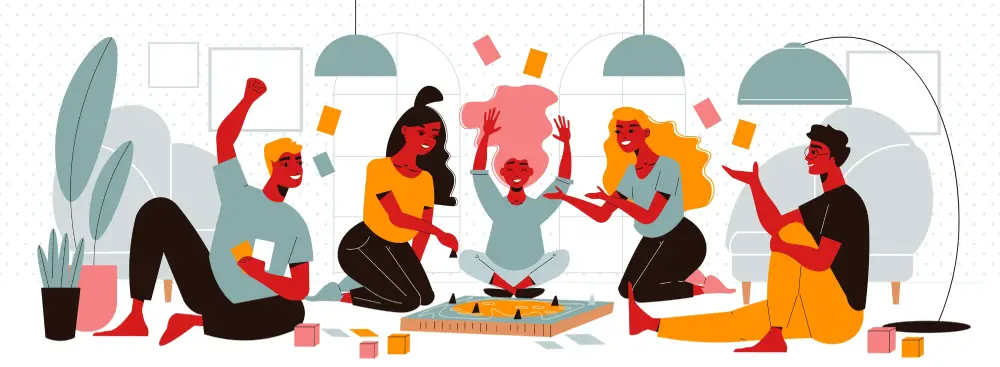
The sweetest twist is when the market lets you block without attacking. Ticket to Ride’s face-up train cards create a daily drama: leave locomotives showing and someone will claim them; scoop them too aggressively and you broadcast your route. Meanwhile, "Century: Spice Road” proves how one shared row can reshape outcomes: early access to a single upgrade card can turn one player into an efficient “engine", while the rest scramble to reserve alternatives.
For game publishers and the wider tabletop gaming market, shared markets are a high-ROI design trick: they generate player engagement, replayability, and that irresistible sense that the next decision is both yours and everyone else’s.